12 November 20262 min read
Rewriting an app in place
Entrevue's first app was a React Native wrapper around the website. Version 2.0 is a native SwiftUI rewrite that replaced it under the same App Store listing — so readers simply got an update.
Entrevue.fr publishes around the clock: politics, media, culture, society, sport. Its first app was a cross-platform React Native build, and it felt like what it was — a wrapper around the website. Slow to open, generic on the phone, and its push alerts reached only a handful of devices.
In October 2026 version 2.0 went live on the App Store: a full native rewrite in SwiftUI. Here's what mattered most.
Same listing, not a new app
The tempting option with a rewrite is to launch a new app and ask everyone to switch. Nobody switches. You lose the ratings, the installs and most of the readers.
So 2.0 shipped under the same App Store listing and replaced the old build in place. Existing readers didn't reinstall anything — they got an update, and the next time they opened Entrevue it was a different app.


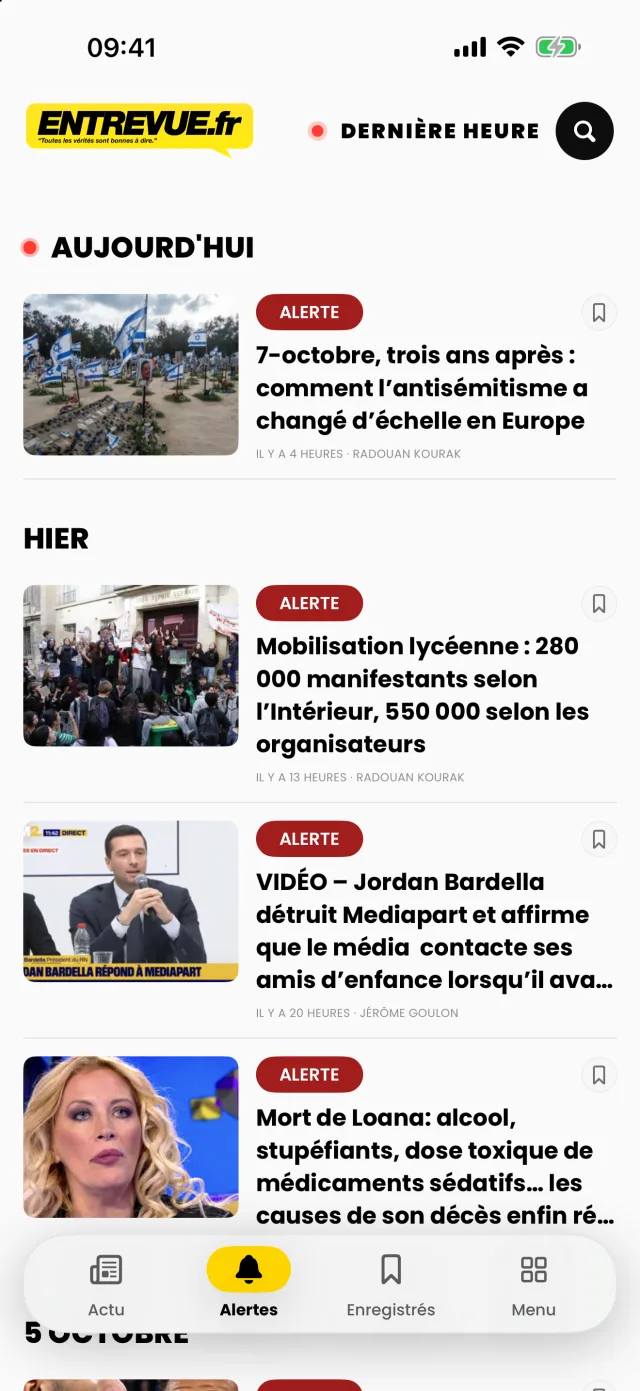
Look like the website, behave like an app
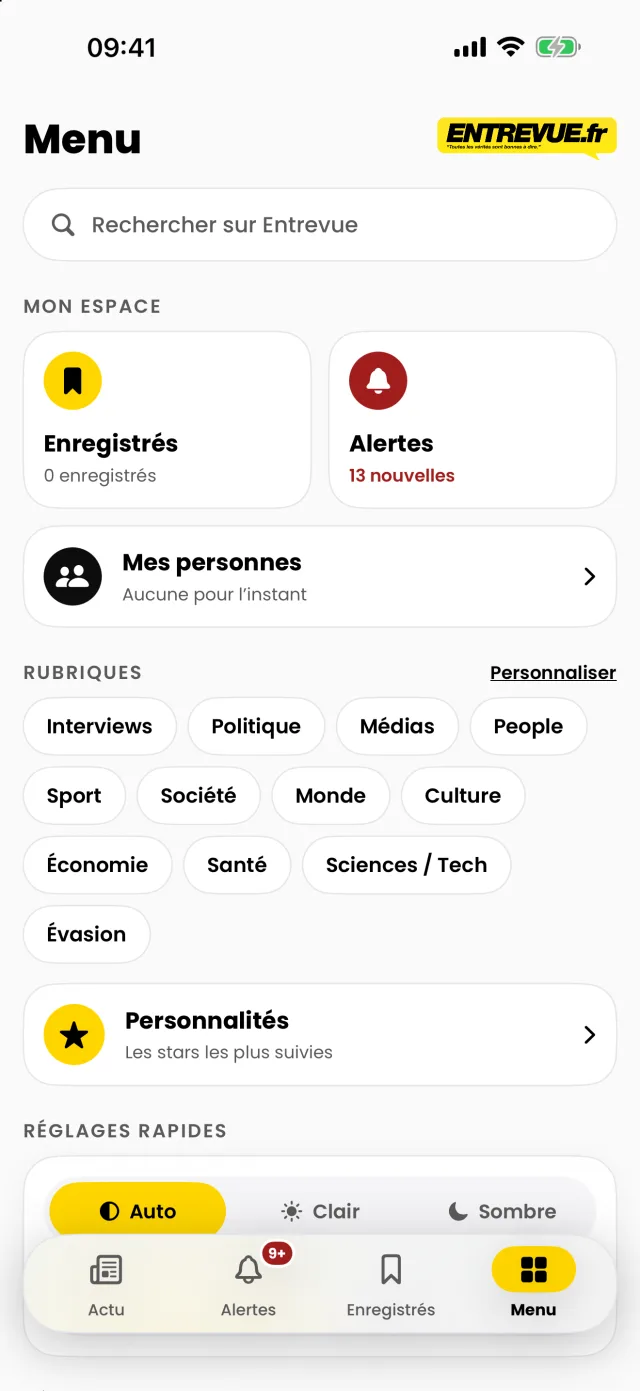
The design follows the website closely — the same sections, cards, yellow-and-black identity and typography — so readers recognise Entrevue instantly. But the app adds what only a native app can:
- Home-screen and lock-screen widgets with the latest stories.
- Offline saved articles for the metro and the plane.
- Followed people, each with their own alerts.
- Listening to an article instead of reading it.
- Light and dark themes, following the phone or set by hand.

One backend, no second workflow
An app that needs its own publishing workflow will fall behind the website by the end of the first busy night. So the app doesn't have one.
A dedicated app endpoint on the newsroom's WordPress platform serves the feed, the home page and articles in French or English, from the same content editors already publish. Nobody at Entrevue publishes "to the app". They publish, and the app has it.
Editors publish once. The phone is just another way to read it.
Push that actually arrives
Breaking news is the reason many people install a news app, and it was the weakest part of the old build. The new pipeline sends native push through APNs, with the article photo attached, one alert per story, and every open reported back to the newsroom's stats page — so editors see which alerts people actually read.
Asking at the right moment
The best alert system is useless if nobody turns alerts on. In version 2.1 the app stopped hiding that switch in the menu. Instead, it asks readers to enable alerts right after they finish an article — the moment they've just got value from Entrevue and are most likely to say yes.
What generalises
If you're replacing a weak app, don't start over in the store. Rewrite it in place, keep one content backend for web and app, and put the permission prompts where the reader already trusts you.
— Serhii Rohachov, Kyiv