1 October 20262 min read
Photography as the interface
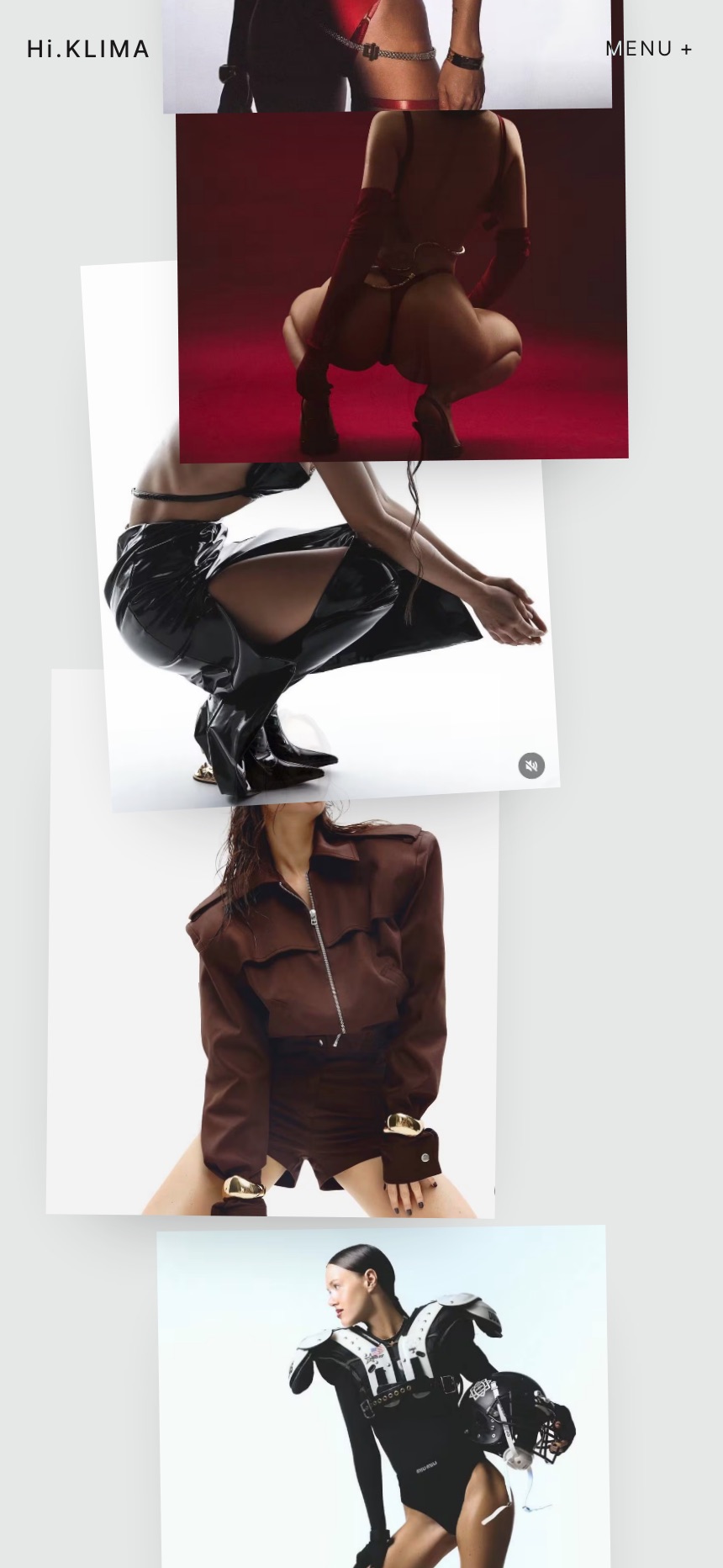
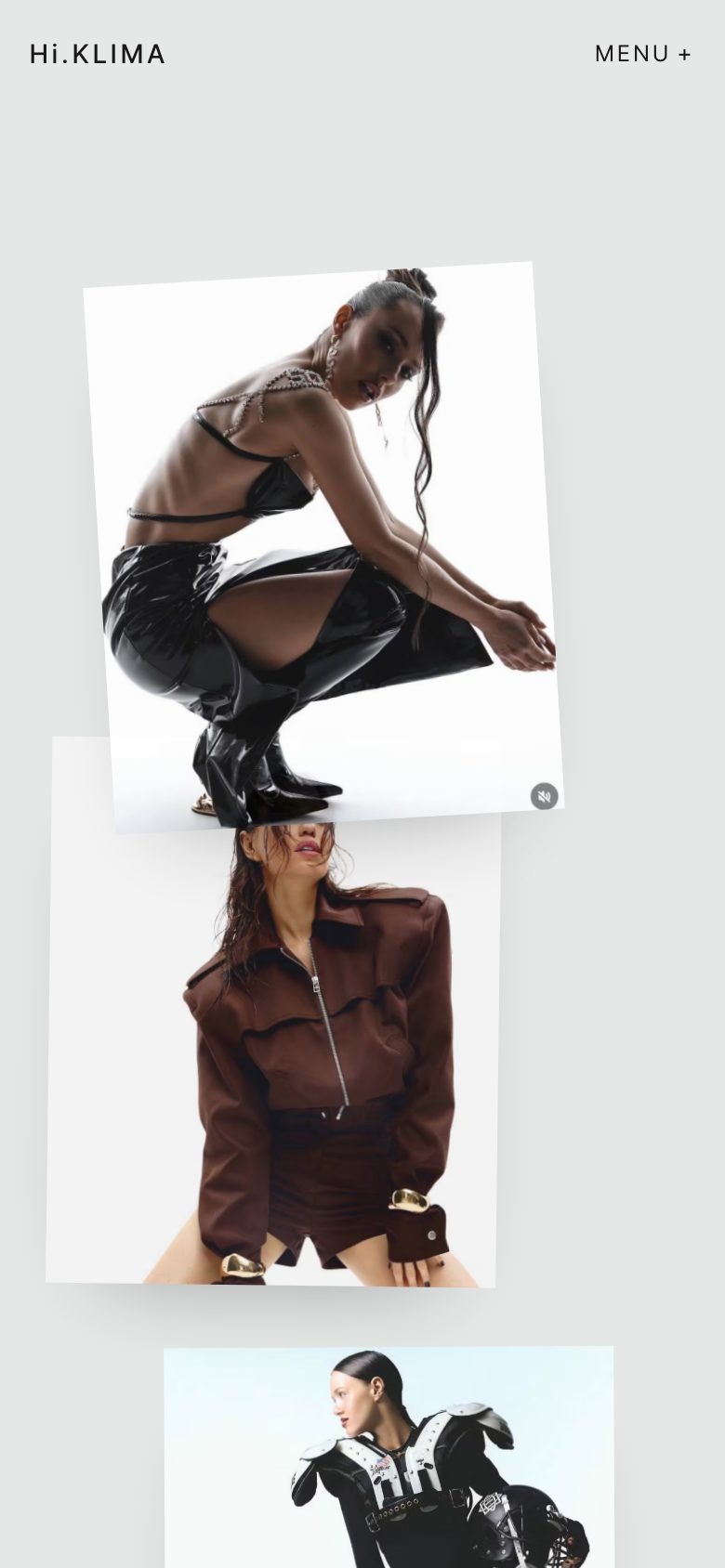
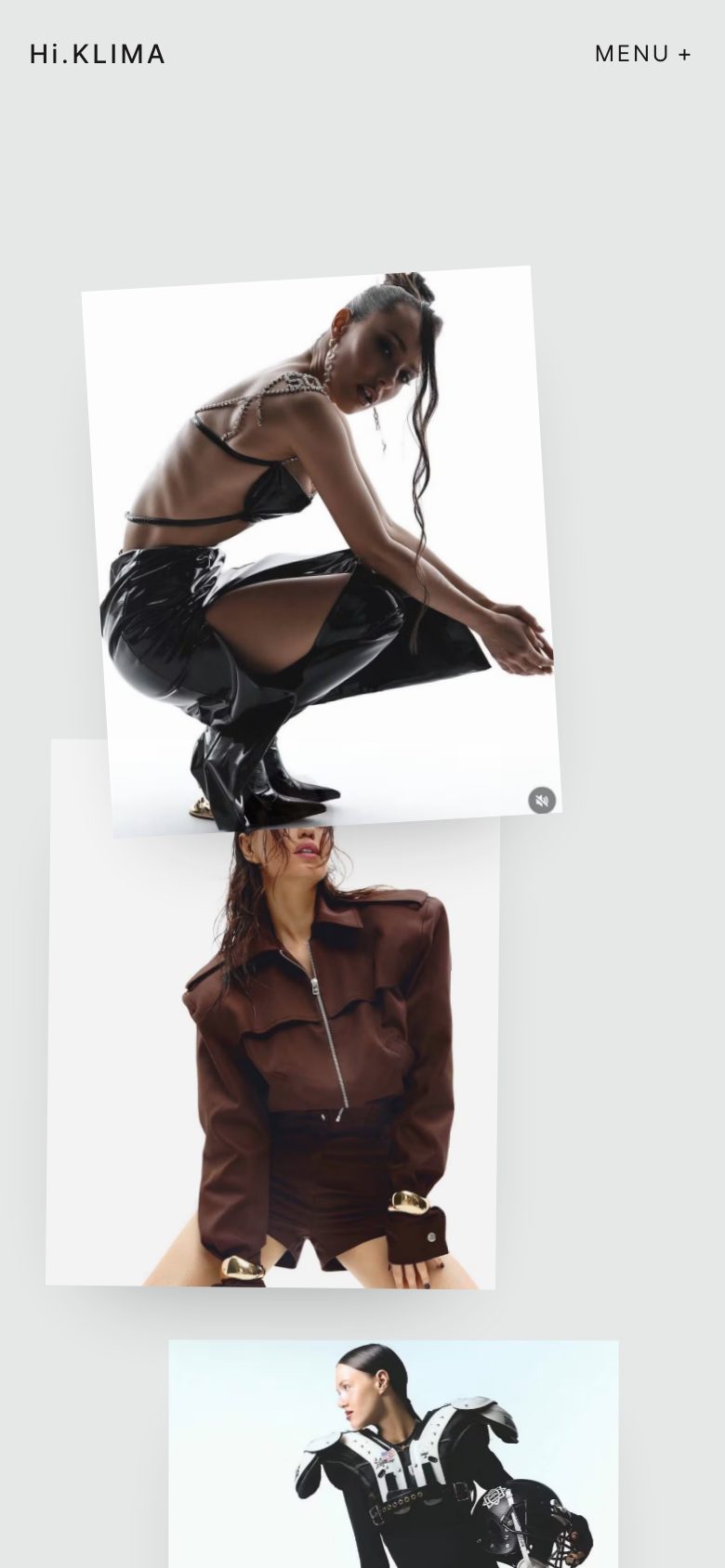
For a fashion stylist's site, the work had to lead and the interface had to get out of the way. So the HiKlima homepage became a living archive where the photographs are the navigation.
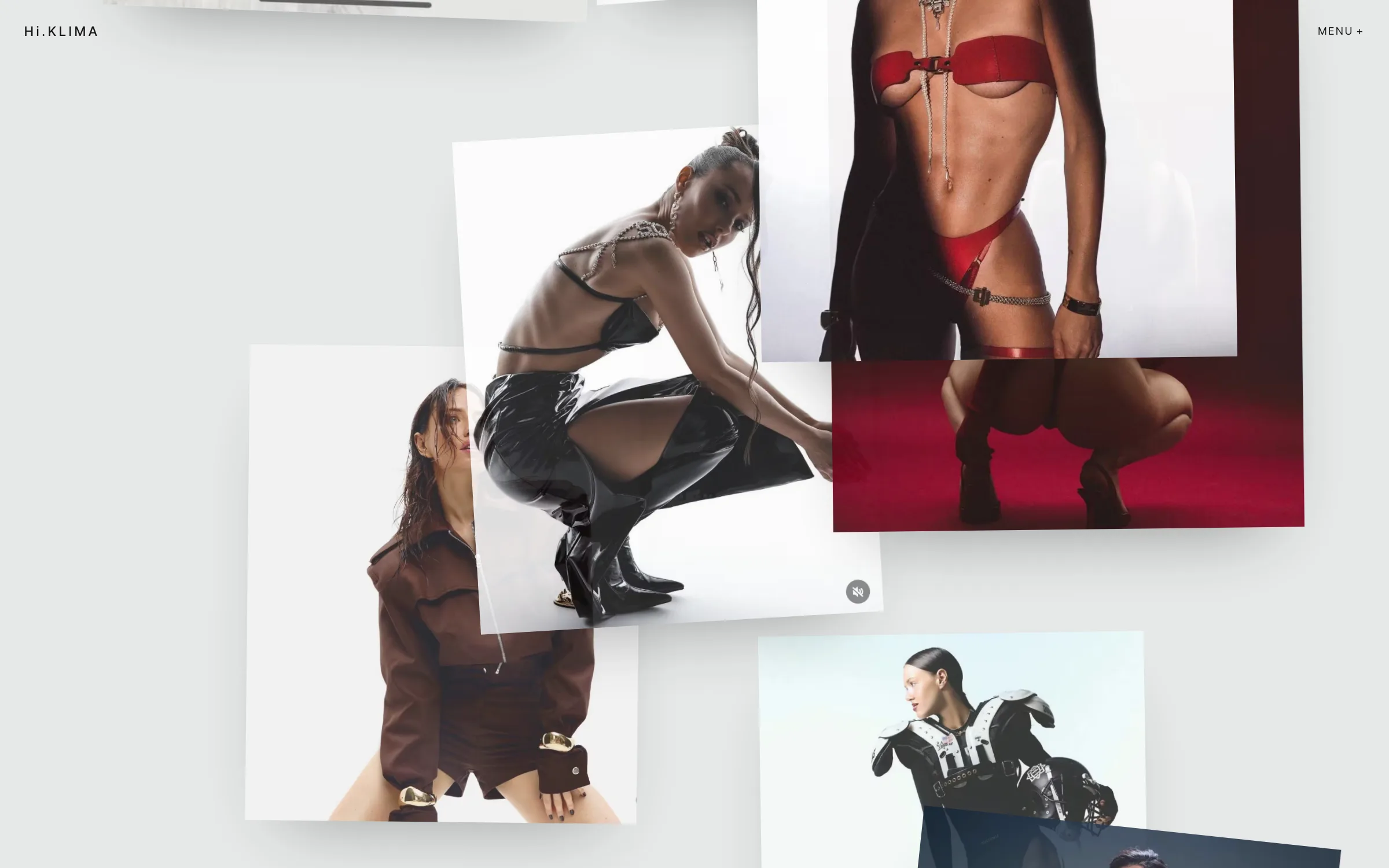
HiKlima is the personal platform of a full-cycle fashion stylist. A stylist sells an eye — taste, references, the ability to build an image. A site that leads with a bio, a services list and a contact form would describe that eye. We wanted the site to show it.
Start with the archive, not the CV
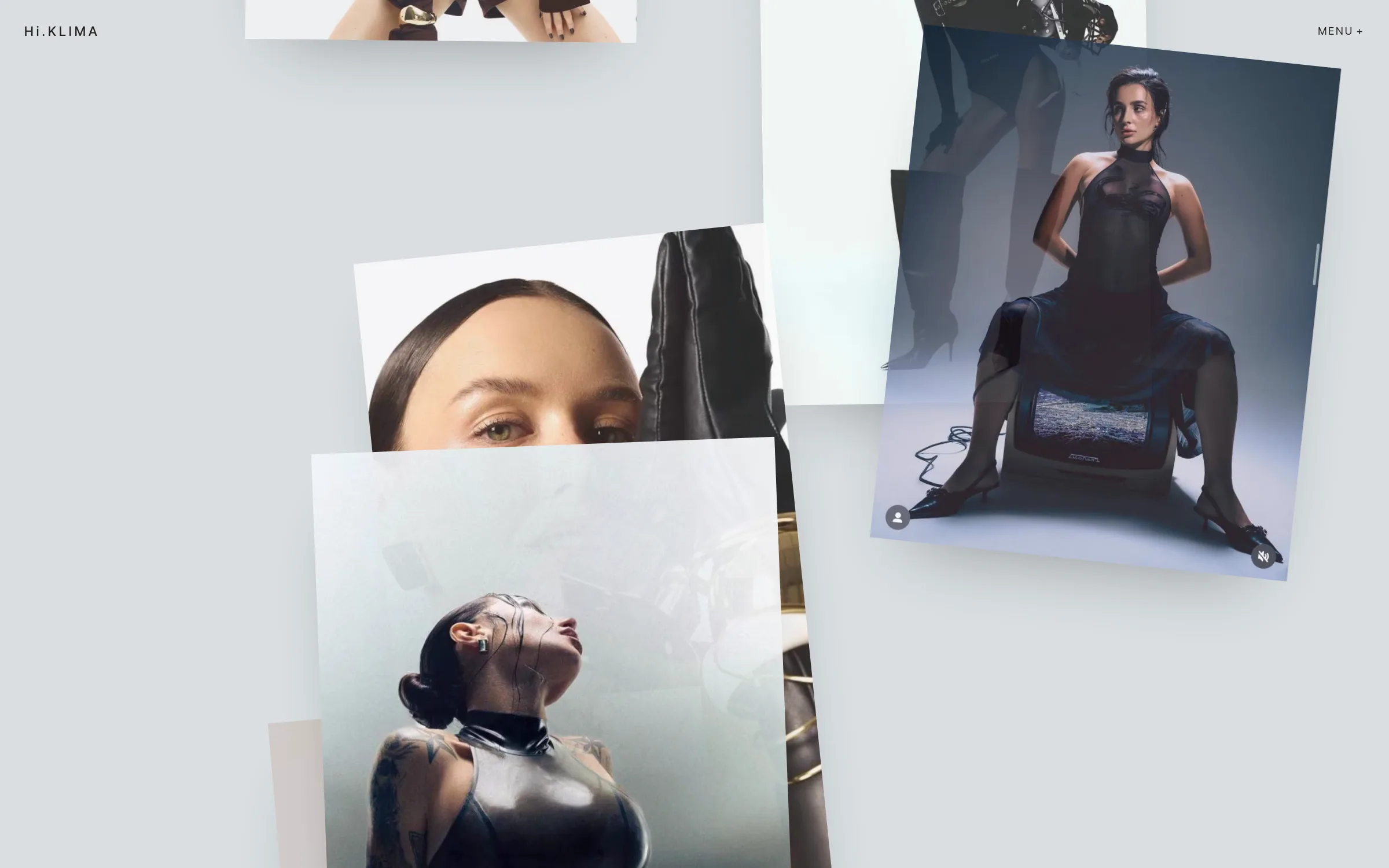
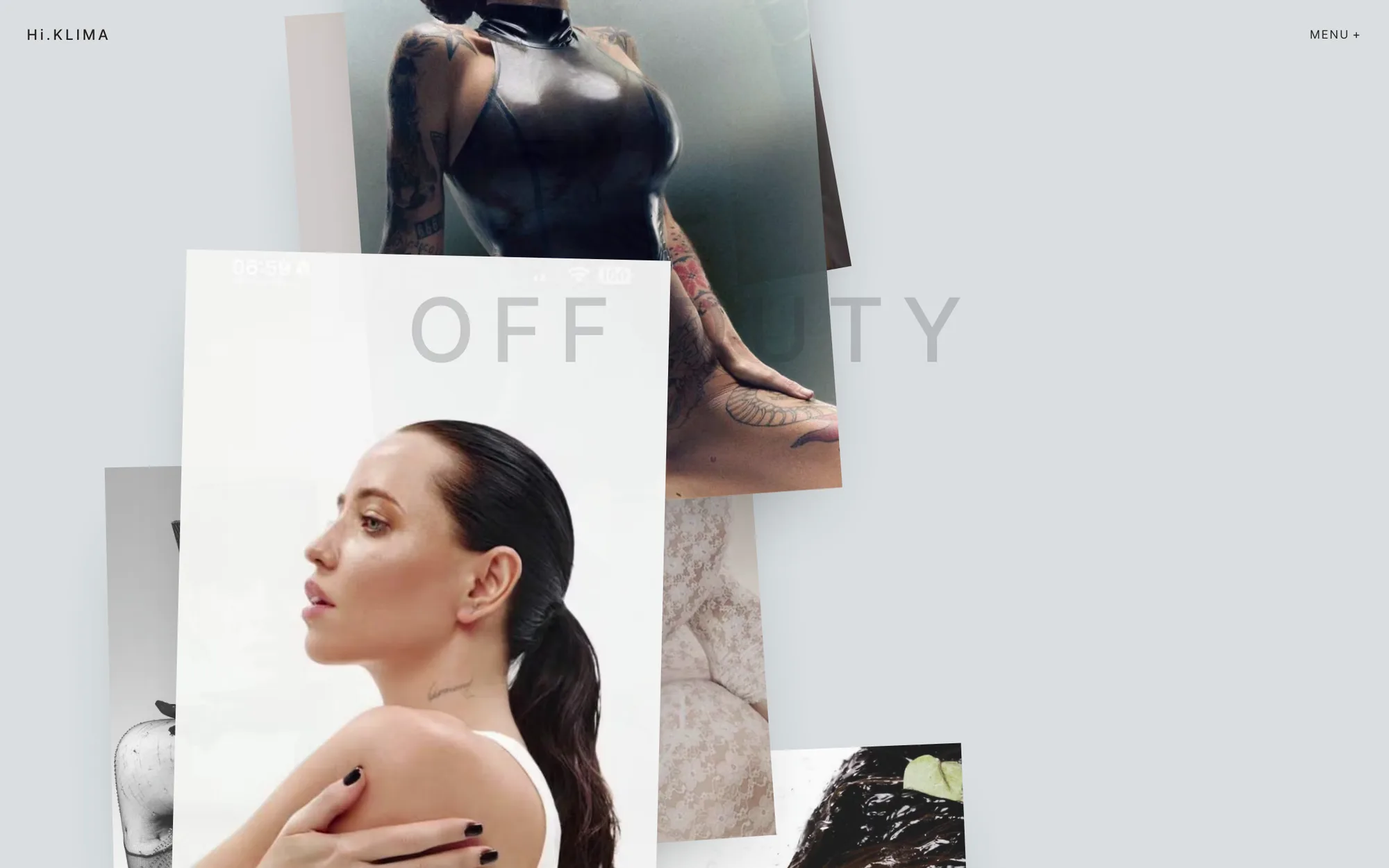
The homepage is a living archive. Photographs drift across a light, minimal field and overlap like prints on a studio table. You don't scroll past a gallery to reach the "real" site; the gallery is the site.
The background is quiet and cool on purpose, so the colour, skin and fabric in the images carry all the warmth.
Let the images navigate
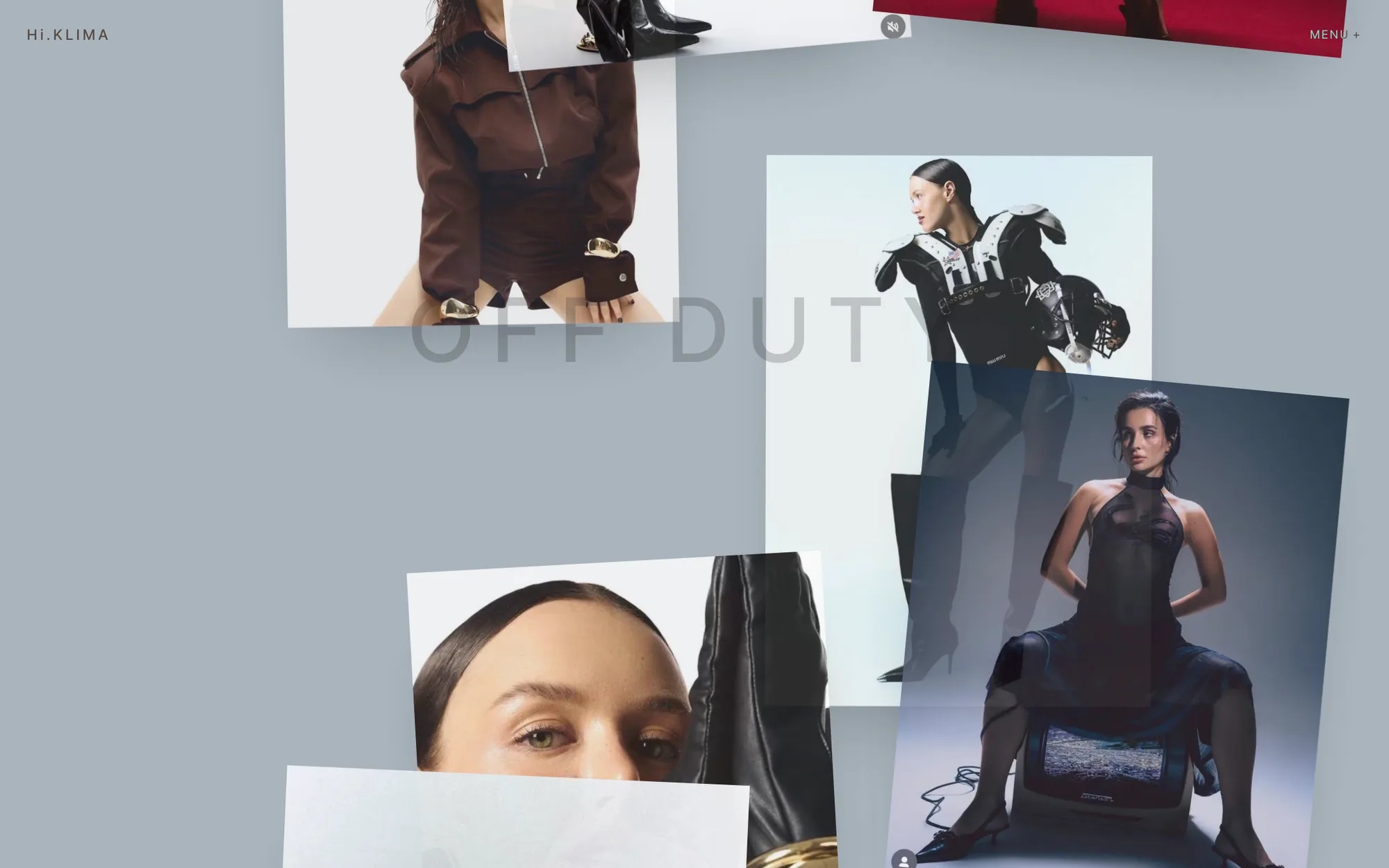
In an image-led site, the photographs shouldn't be decoration around a menu — they should be the way you move. The archive is curated so each frame invites the next, and the work reads as one body of practice rather than a list of separate shoots.
A restrained type system sits around it: a small wordmark, a short menu, a single quiet headline. Enough to orient, never enough to compete.
Services and booking, close but not in the way
A personal platform still has a job to do. Services and a private booking flow are always one step away, but they don't interrupt the archive. Someone who came to look can keep looking; someone ready to book finds the path without hunting for it.
The trade-off
Image-first sites are easy to get wrong. Too many effects and the photographs turn into a slideshow; too little structure and visitors don't know where to go next. The balance here is mostly subtraction — fewer interface elements, slower motion, more space — and making sure the few elements that remain are always in the same place.
Your work can do the explaining.
When to do this
If your work is visual and your clients buy with their eyes — stylists, photographers, designers, studios — consider letting the work be the interface — and keeping everything else quiet.
— Serhii Rohachov, Kyiv