14 September 20262 min read
An archive with a duty of care
Building the home for VARTA — documentary films about the war in Ukraine — meant designing an interface that recedes, so the people and their stories lead.
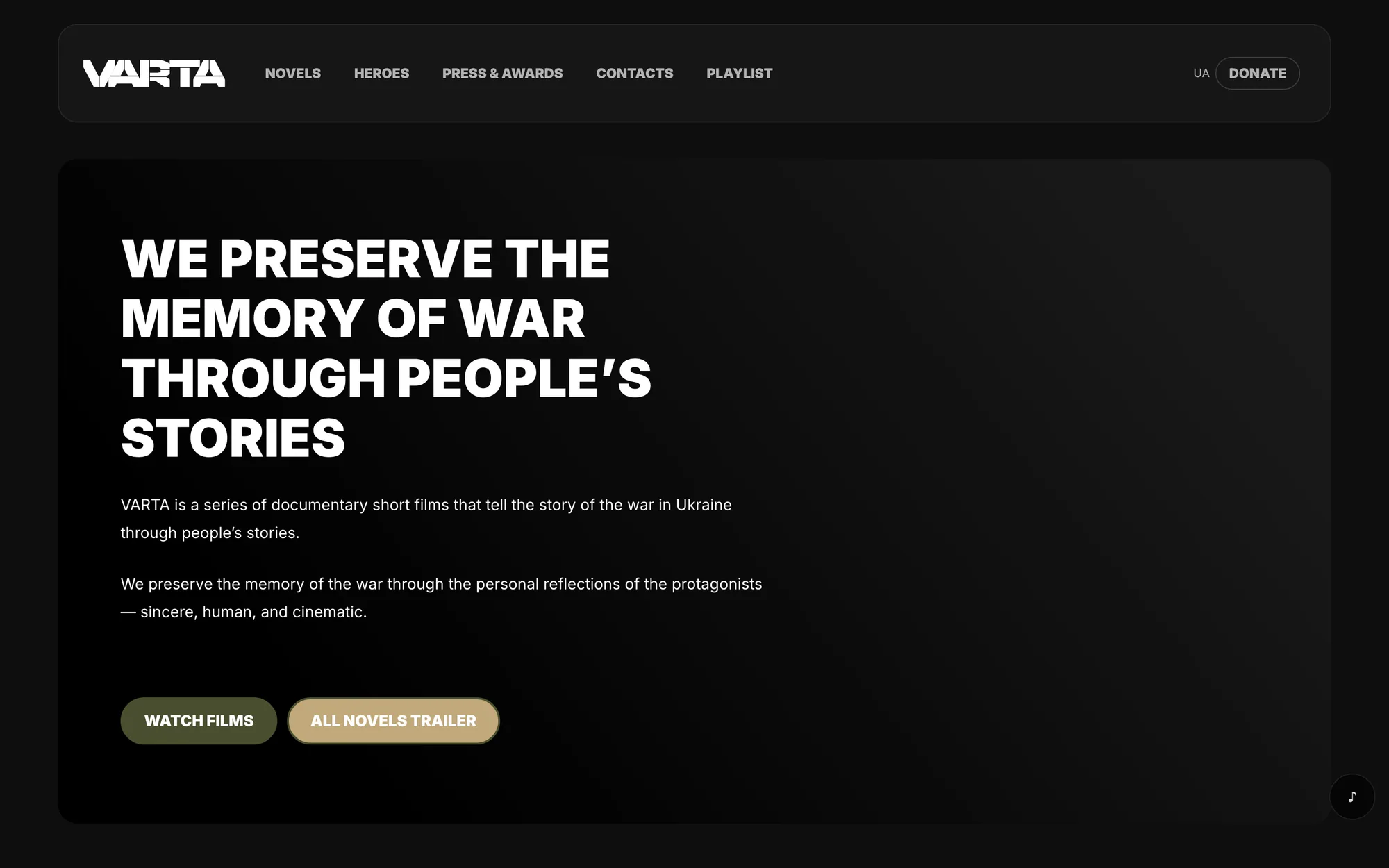
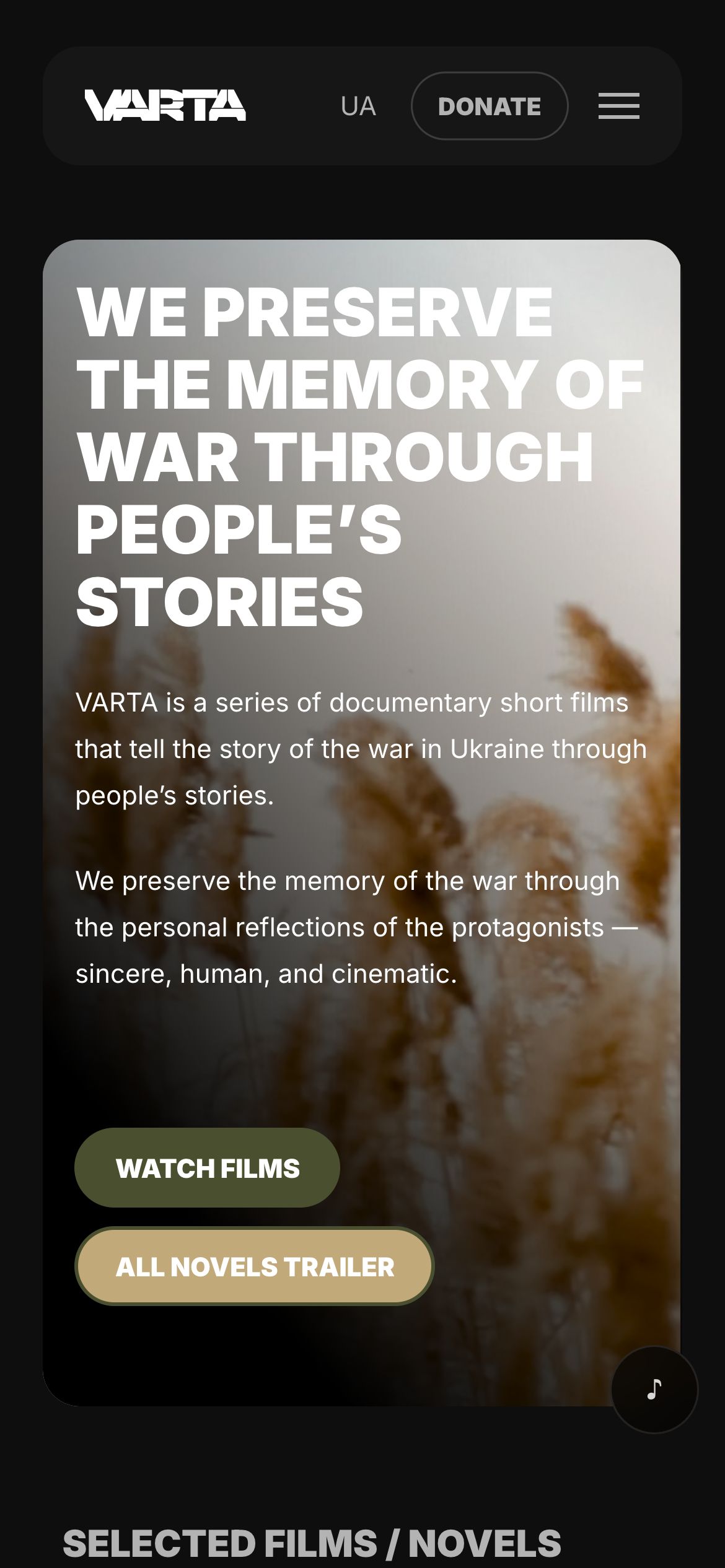
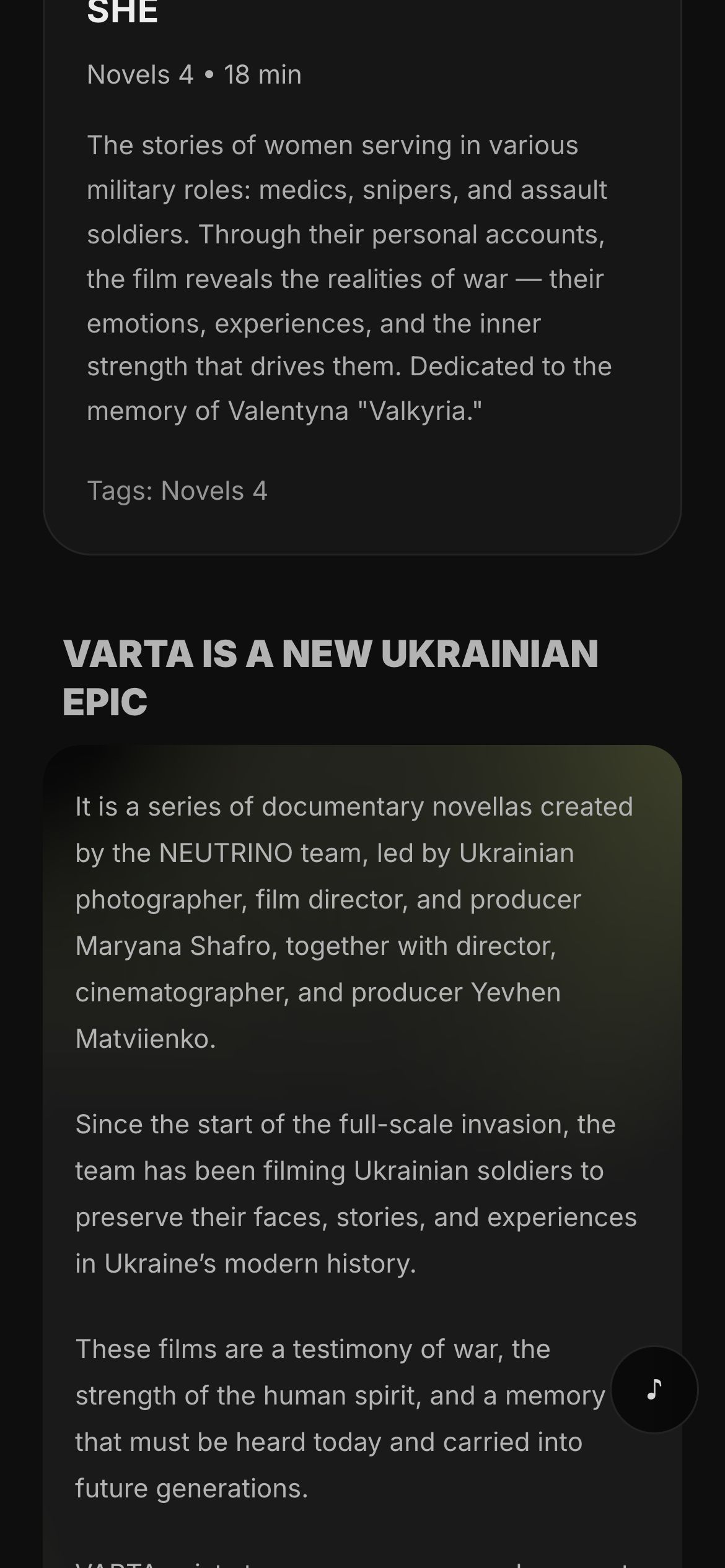
VARTA is a documentary initiative by the NEUTRINO film team: short films that preserve the memory of the war through the personal stories of soldiers, medics and rescuers. The website is the project's permanent home — the films, the people in them, the press and the fundraising that keeps the work going.
Most of my projects ask the interface to be noticed. This one asked it to step back.
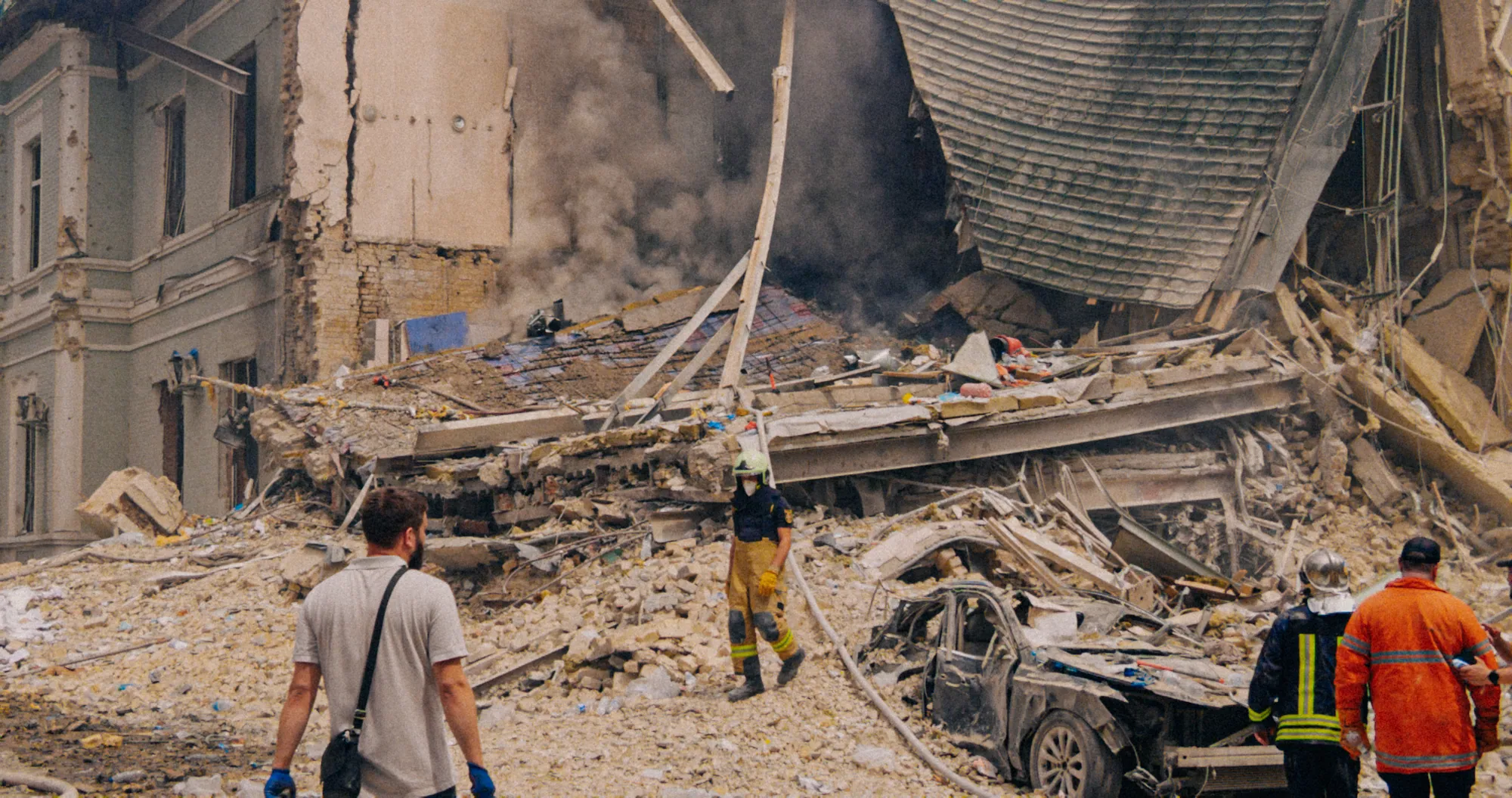
The material sets the rules
Testimonies, portraits and footage from a war are not "content". They carry a duty of care. That ruled out a lot of familiar web habits before any design started:
- No sensationalism. No dramatic hover effects on a soldier's portrait, no autoplay shock, no countdowns.
- No clutter around the people. Navigation, sharing and donation exist, but they never sit on top of someone's story.
- Calm pacing. Readers arrive from very different places emotionally. The rhythm of the page should let them slow down.
Typography and pace do the emotional work
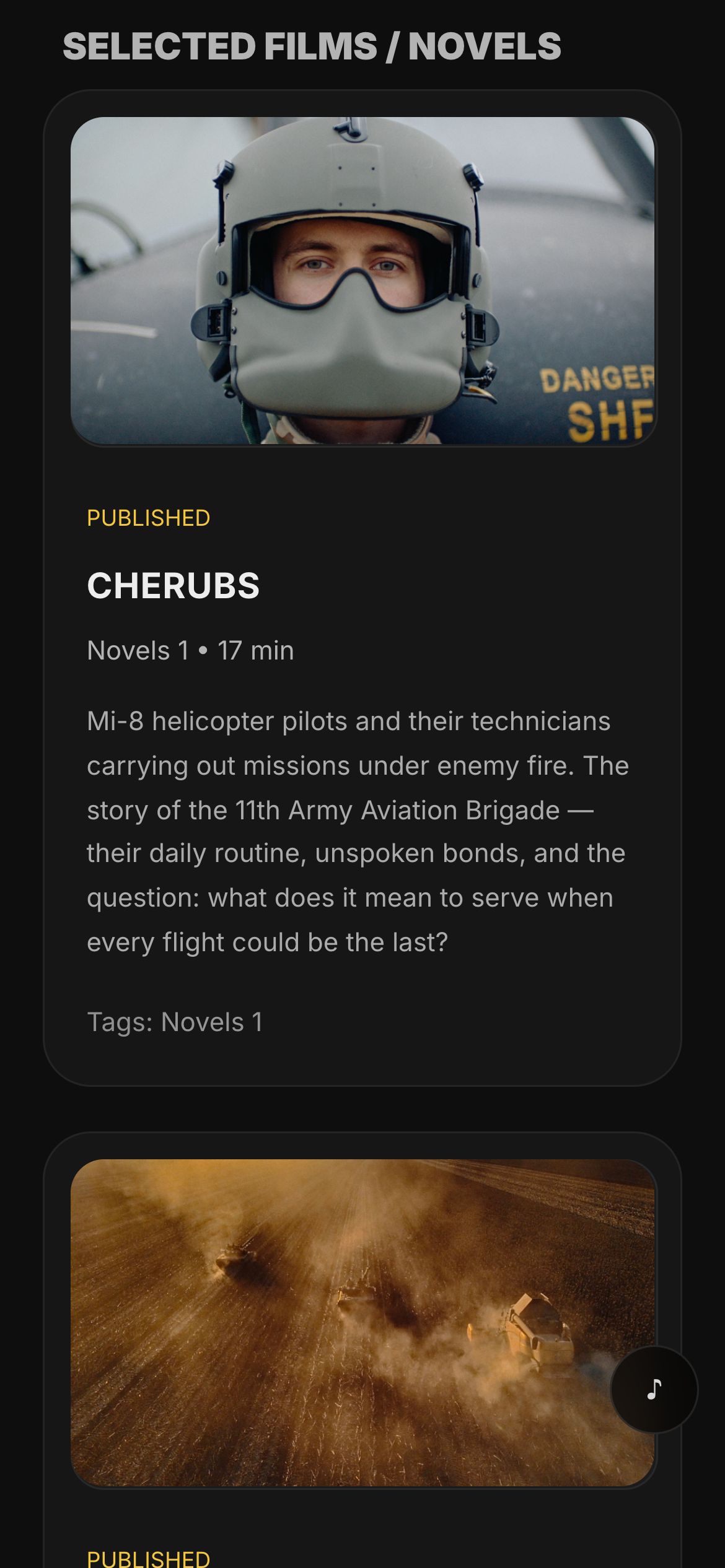
The site is built as a restrained cinematic archive. Full-bleed imagery, generous space and a controlled reading rhythm carry the feeling — the interface itself stays neutral. Motion is used sparingly and only to guide attention, never to decorate.
When every screen is designed to recede, what's left in front is the person.
Designing for stories that don't exist yet
An archive like this keeps growing for years: new films, new protagonists, new press, new festival selections. If each addition needs a designer, the archive stops growing.
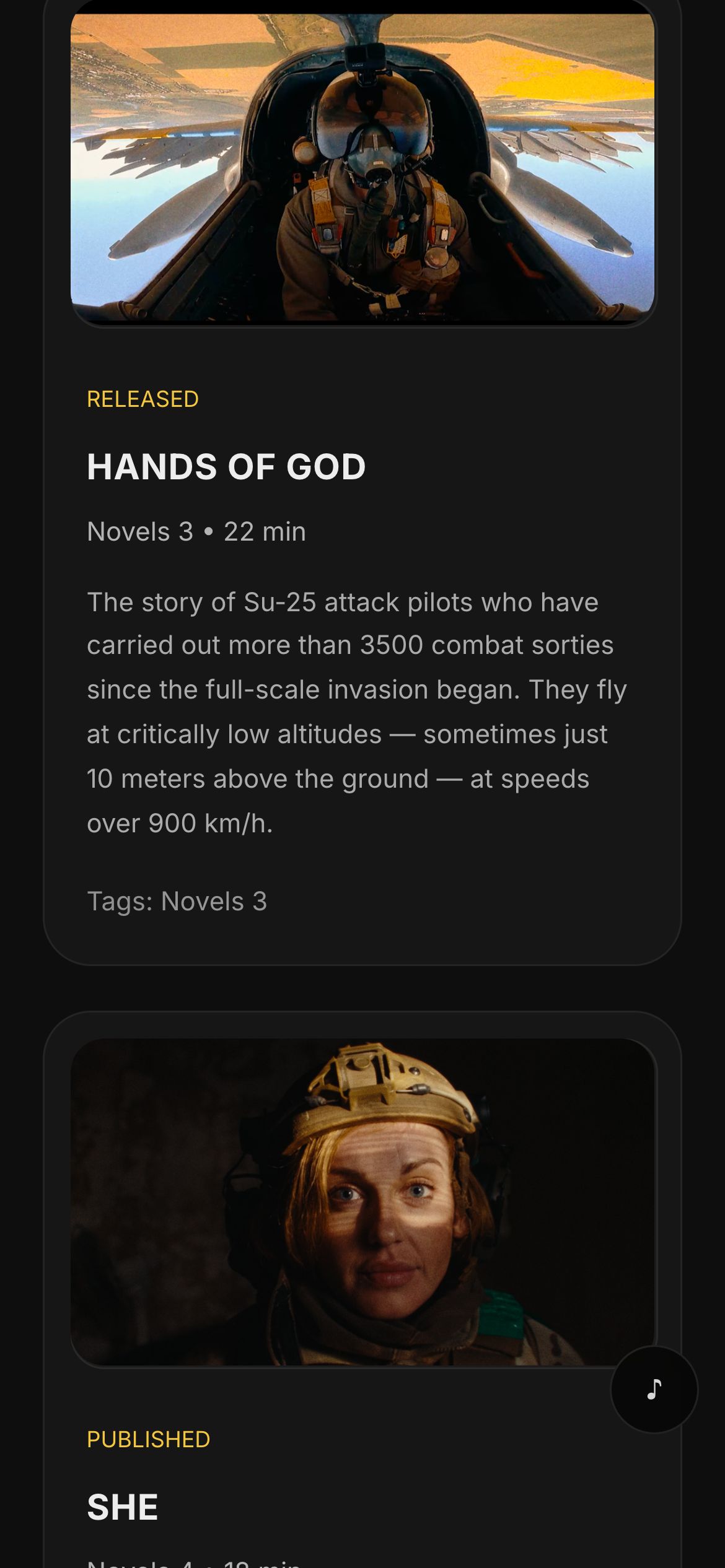
So the structure is built from reusable content types — films and protagonists — that the team can publish on its own without touching layout. Press, awards and fundraising have their own sections, and everything links back to the people.
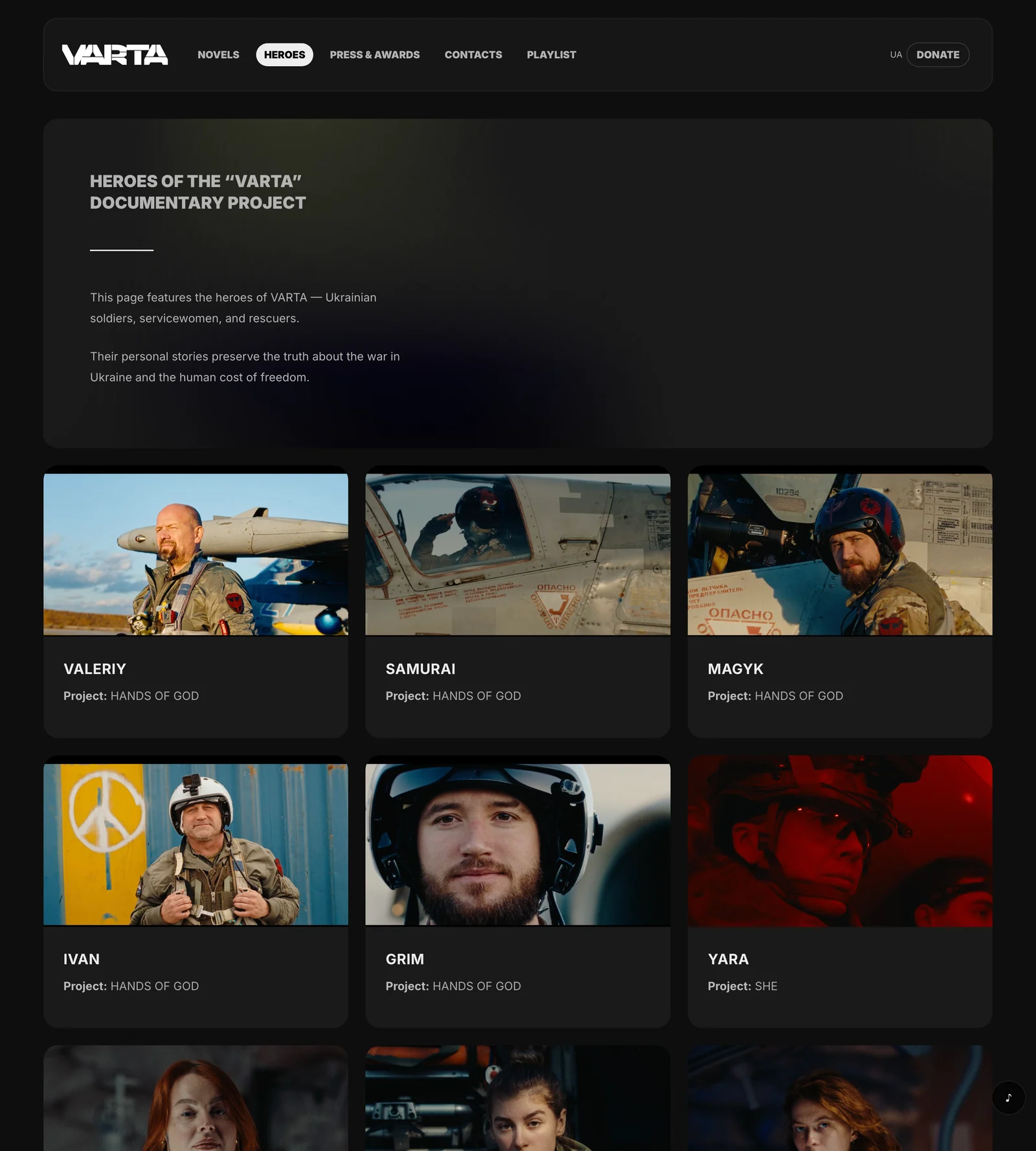
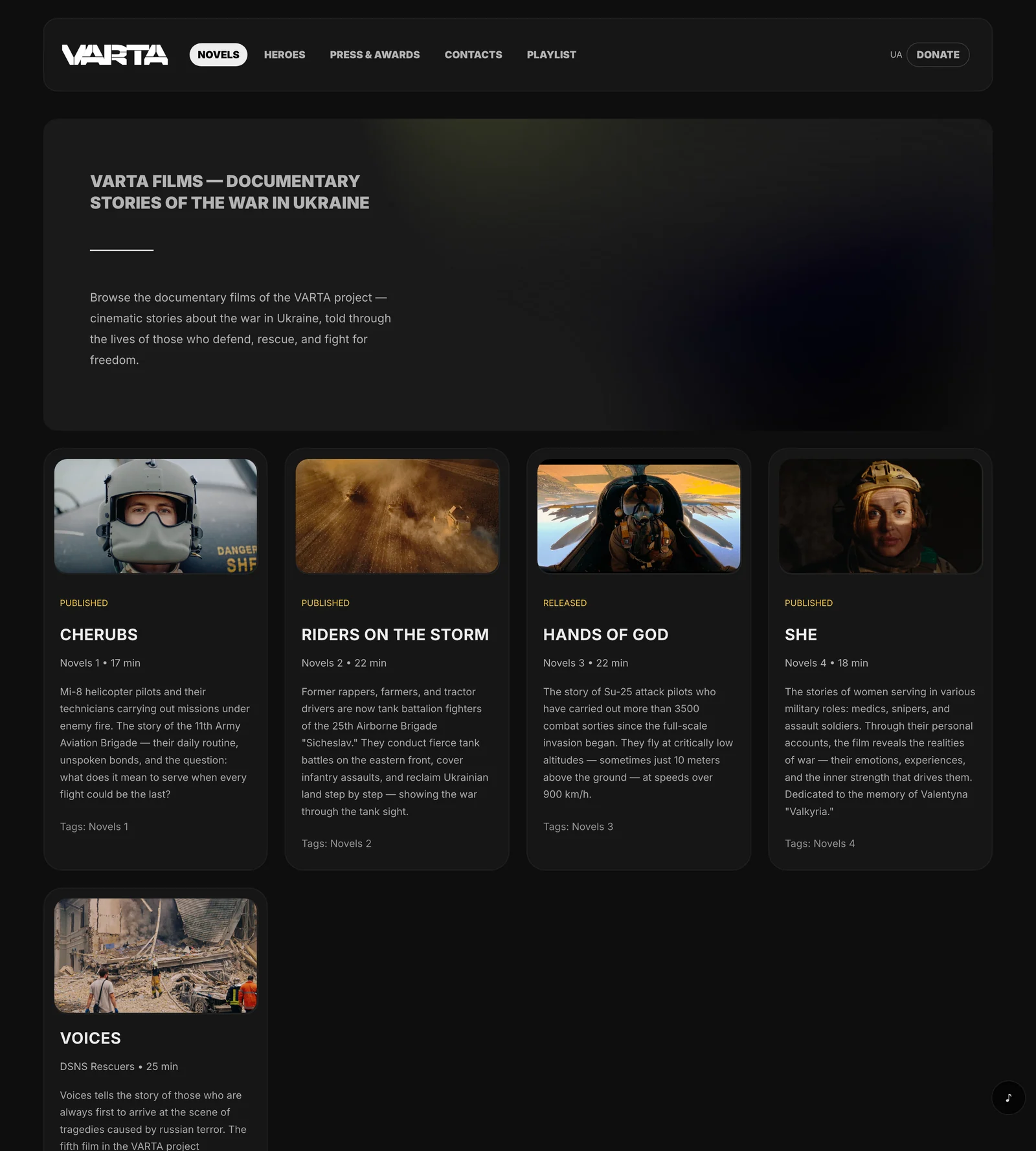
The best compliment for this kind of system is that nobody notices it. New stories simply appear, and they look like they were always meant to be there.
A clear path from story to support
A documentary archive also needs to keep the work alive. The site connects each film to the people in it, to the press around it and to the way visitors can support the project — as a continuous path, not a banner shouting for donations.
What I took from it
Designing for sensitive subjects is mostly a list of things you choose not to do. Restraint isn't the absence of design; it's the design. And a good content model is a form of respect: it lets the people who own the stories keep telling them, without waiting for anyone.
— Serhii Rohachov, Kyiv